Complete Guide to Bali: Everything You Need to Know for Your Perfect Indonesian Adventure
Bali isn't just another tropical destination—it's a cultural kaleidoscope where ancient Hindu traditions blend seamlessly with modern beach vibes. After countless visits and conversations with locals, I've learned that this Indonesian island rewards those who venture beyond the Instagram hotspots. Whether you're drawn by the emerald rice terraces, world-class surf breaks, or spiritual temple ceremonies, Bali delivers experiences that linger long after your tan fades.
When to Go to Bali
Best Time: April-June and September-October
Bali's tropical climate means it's warm year-round, but timing your visit can make or break your experience. The dry season (April-September) offers the most reliable weather, with April-June being particularly sweet—fewer crowds, lower prices, and perfect conditions for both beach and mountain activities.
Weather Breakdown:
- Dry Season (April-September): Sunny days, minimal rainfall, humidity around 70%
- Wet Season (October-March): Daily afternoon showers, higher humidity, lush green landscapes
- Peak Season (July-August, December-January): Crowded attractions, inflated prices, advance bookings essential
Festival Season:
Bali's Hindu calendar dictates numerous colorful celebrations. Nyepi (Balinese New Year) usually falls in March—the entire island shuts down for 24 hours of silence. Galungan and Kuningan occur every 210 days, when ornate penjor bamboo decorations line every street. During these times, you'll witness Bali's spiritual heart, though expect higher accommodation rates.
Avoid if possible: Peak wet season (December-February) brings heavy rains that can wash out plans, especially in mountainous regions.
How to Get There and Around
Flying In:
Ngurah Rai International Airport (DPS) in Denpasar is your gateway. Most visitors need a visa-on-arrival (currently $35 USD for 30 days). The airport sits between Kuta and Jimbaran, making it convenient for southern beach areas but requiring longer transfers to Ubud or northern regions.
Airport to Accommodation:
- Ride-hailing apps: Grab and Gojek are reliable and affordable
- Official taxis: Use Blue Bird or airport taxis with meters
- Pre-arranged transfers: Many accommodations offer this service
- Local buses: Trans Sarbagita serves major routes but can be confusing for first-timers
Getting Around the Island:
Scooter rental is the most popular option—expect to pay 50,000-70,000 IDR per day. However, Bali's traffic is chaotic, and many tourists underestimate the risks. International driving permits are technically required, though enforcement varies.
Private driver/car rental offers more comfort and safety. Full-day drivers cost around 600,000-800,000 IDR and often double as knowledgeable guides. For multi-day trips, this becomes incredibly cost-effective when split among friends.
Local transport options:
- Bemos: Shared minivans on set routes, very cheap but irregular schedules
- Ojeks: Motorcycle taxis via Gojek app, perfect for short distances
- Tourist shuttles: Connect major destinations like Ubud-Canggu-Sanur
Where to Stay: Bali's Distinctive Neighborhoods
Ubud - Cultural Heart
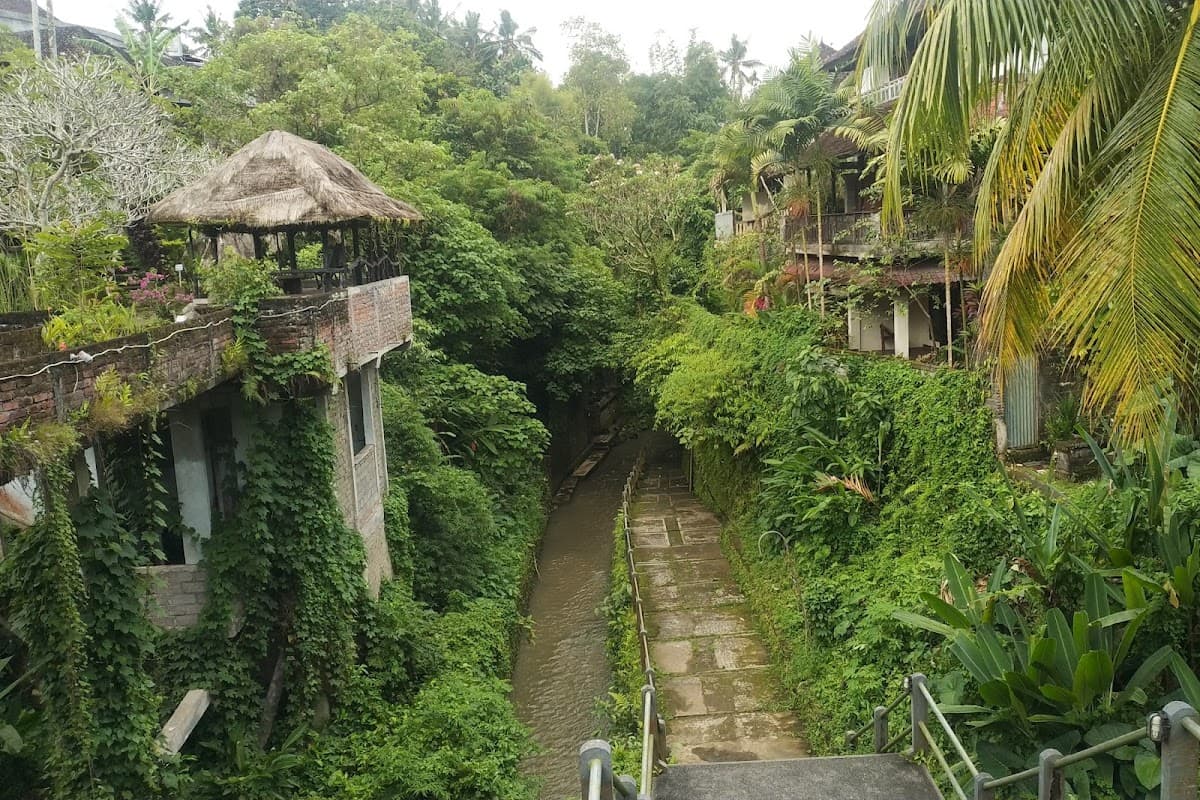
Nestled among rice paddies and jungle, Ubud pulses with artistic energy. Stay here for yoga retreats, cooking classes, and temple visits. The town center buzzes with cafes and galleries, while outlying areas like Mas and Penestanan offer tranquil riverside retreats. Traffic can be nightmarish during peak hours.
Canggu - Surf and Digital Nomad Hub
This former fishing village has exploded into Bali's coolest beach town. Black sand beaches, world-class surf breaks, and a thriving cafe culture attract everyone from backpackers to luxury travelers. Echo Beach and Berawa offer the best waves, while Pererenan provides a quieter alternative.
Seminyak - Upscale Beach Scene
Bali's answer to St. Tropez, Seminyak serves sophisticated beach clubs, high-end shopping, and glamorous nightlife. The beach is gorgeous, but expect to pay premium prices for everything. Perfect if you want luxury with easy access to Bali's cultural sites.
Sanur - Calm Family-Friendly
This eastern beach town moves at a gentler pace. Protected by offshore reefs, the waters stay calm—ideal for families with young children. The beachfront path stretches for miles, lined with local warungs and modest resorts. It's Bali without the chaos.
Nusa Dua - Resort Enclave
Purpose-built for tourism, Nusa Dua offers manicured beaches, championship golf courses, and international hotel chains. It feels somewhat artificial but provides predictable luxury and easy airport access.
Jimbaran - Seafood and Sunsets
Famous for beachfront seafood dinners served at sunset, Jimbaran combines fishing village authenticity with upscale resorts. The crescent bay offers calmer waters than nearby Kuta, plus you're close to the airport.
Amed and East Bali - Off the Beaten Path
This quieter coastline rewards adventurous travelers with excellent diving, traditional fishing villages, and Mount Agung's dramatic backdrop. Infrastructure is more basic, but you'll experience authentic Balinese life.
What to Eat: Bali's Culinary Treasures
Bali's food scene extends far beyond nasi goreng, though you'll find excellent versions everywhere. The island's Hindu majority means pork and beef feature prominently, unlike elsewhere in Muslim-majority Indonesia.
Must-Try Dishes:
Babi Guling (Roast Pork): Bali's signature dish features whole pig stuffed with spices and slow-roasted. Ibu Oka in Ubud remains legendary, though locals prefer Pak Dobiel for less touristy excellence.
Bebek Betutu (Slow-Roasted Duck): This ceremonial dish requires 6-8 hours of cooking, resulting in incredibly tender meat infused with Balinese spices. Try it at Bebek Tepi Sawah in Ubud, overlooking rice fields.
Lawar: This traditional salad mixes vegetables, coconut, and minced meat with fresh blood (yes, really). The vegetarian version is equally flavorful and more accessible to squeamish palates.
Sate Lilit: Unlike Java's skewered satay, this Balinese version wraps spiced minced meat around lemongrass stalks. Jimbaran's beach warungs serve excellent versions.
Gado-Gado: Though found throughout Indonesia, Bali's version of this vegetable salad with peanut sauce often includes unique local greens.
Where to Eat:
Warungs (local eateries): These family-run spots serve authentic food at local prices. Warung Bu Mi in Sanur and Warung Babi Guling Pak Malen in Seminyak are standouts.
Traditional markets: Pasar Badung in Denpasar and Ubud Traditional Market offer incredible street food experiences, though arrive early for the best selection.
Modern Indonesian restaurants: Places like Locavore in Ubud and Sarong in Seminyak elevate traditional ingredients with contemporary techniques.
International cuisine: Bali's expat community has created excellent pizza (Giuseppe Pizzeria), Japanese (Kilo Bali), and health food (Alchemy) scenes.
Top Experiences and Attractions
Cultural Immersion:
- Temple visits: Tanah Lot's dramatic oceanside setting, Uluwatu's clifftop location with sunset kecak dance, and Besakih (the "Mother Temple") on Mount Agung's slopes
- Rice terrace walks: Jatiluwih offers UNESCO-protected landscapes, while Tegallalang near Ubud provides easier access
- Traditional villages: Tenganan preserves ancient Bali Aga culture, while Penglipuran showcases traditional architecture
Natural Wonders:
- Volcano hiking: Mount Batur sunrise treks are popular but crowded; Mount Agung offers more challenge and solitude
- Waterfall hunting: Sekumpul in the north features seven falls, while Tukad Cepung's hidden canyon creates magical light beams
- Diving and snorkeling: The USAT Liberty wreck at Tulamben, colorful reefs around Amed, or Nusa Penida's manta rays
Adventure Activities:
- White water rafting: The Ayung River near Ubud combines thrills with jungle scenery
- Surfing lessons: Kuta Beach for beginners, Uluwatu for experts, Canggu for everyone in between
- Cycling tours: Downhill rides through villages and rice paddies, starting from Kintamani
Wellness and Relaxation:
- Traditional spa treatments: Try Boreh body scrubs or Balinese massage at local spas
- Yoga retreats: Ubud hosts world-renowned teachers and retreat centers
- Hot springs: Banjar's sulfur springs in the north offer natural relaxation
Money-Saving Tips
Accommodation Hacks:
- Book directly with smaller properties for better rates and personal service
- Consider homestays (around 200,000 IDR/night) for authentic experiences
- Shoulder season (April-June, September-October) offers 30-50% savings
Transport Savings:
- Share private drivers with other travelers for day trips
- Use Grab for short distances instead of tourist taxis
- Book tourist shuttles in advance rather than last-minute arrangements
Food Budget Tips:
- Eat at local warungs instead of hotel restaurants (save 70-80%)
- Buy fruits and snacks from traditional markets
- Happy hours at beach clubs for affordable drinks with premium views
Activity Discounts:
- Book tours through local agencies rather than hotels
- Visit temples early morning to avoid entrance fees at some locations
- Group bookings for activities like rafting often include significant discounts
Common Mistakes to Avoid
Transportation Missteps:
- Don't underestimate distances—Ubud to Uluwatu takes 2+ hours in traffic
- Avoid renting scooters without proper licensing and experience
- Never leave valuables in scooter storage compartments
Cultural Insensitivity:
- Don't wear revealing clothing to temples (sarongs are usually available for rent)
- Avoid pointing feet toward people or religious objects
- Don't use your left hand for eating or giving/receiving items
Tourist Traps:
- Skip overpriced restaurants in main tourist strips
- Negotiate prices for souvenirs—initial quotes are often 3-5x reasonable prices
- Avoid "special ceremony" invitations that end with expensive purchases
Safety Oversights:
- Don't drink tap water or use ice from questionable sources
- Avoid swimming during red flag conditions—Bali's currents can be deadly
- Always tell someone your plans when doing solo activities
Suggested 3-Day Itinerary Overview
Day 1: Cultural Ubud
- Morning: Tegallalang Rice Terraces walk
- Afternoon: Ubud Traditional Market and lunch at local warung
- Late afternoon: Sacred Monkey Forest Sanctuary
- Evening: Traditional kecak dance performance
Day 2: Temple Trail and Beach Sunset
- Morning: Early visit to Tanah Lot Temple
- Afternoon: Uluwatu Temple exploration
- Late afternoon: Beach time at Padang Padang
- Evening: Sunset kecak dance at Uluwatu, dinner in Jimbaran
Day 3: Adventure and Relaxation
- Early morning: Mount Batur sunrise hike (or volcano substitute)
- Late morning: Hot springs relaxation
- Afternoon: Return to Ubud for spa treatment
- Evening: Farewell dinner at upscale Indonesian restaurant
This itinerary covers Bali's essential experiences while allowing flexibility for personal interests. Remember, Bali rewards slow travel—rushing between attractions means missing the magic found in quiet temple corners and spontaneous conversations with locals.
Start planning your Bali adventure with TixLayer's comprehensive booking options, and prepare for an island that will challenge your expectations while creating memories that last a lifetime.