Complete Guide to Seoul: Your Ultimate Planning Resource for South Korea's Dynamic Capital
Seoul hits you like a shot of soju – intense, surprising, and leaving you wanting more. This city of nearly 10 million people seamlessly blends 600-year-old palaces with neon-lit districts that never sleep. Whether you're here for the K-pop culture, incredible food scene, or just to experience one of Asia's most connected cities, Seoul delivers experiences you won't find anywhere else.
When to Go
Best Overall Time: April-May and September-November
Seoul's climate is more extreme than many travelers expect. Spring (April-May) brings cherry blossoms and comfortable temperatures around 15-20°C, though you might catch some yellow dust storms blown in from China's deserts.
Autumn (September-November) is arguably the sweet spot – clear skies, stunning fall colors in the city's many mountains, and temperatures perfect for walking around all day. October is particularly gorgeous.
Summer (June-August) gets brutally hot and humid, with temperatures often hitting 35°C plus monsoon rains in July. But if you can handle the heat, you'll find fewer crowds and some of the year's best festivals.
Winter (December-March) is bone-chillingly cold – we're talking -10°C on average – but the city transforms into a winter wonderland, and indoor attractions like spas and shopping districts become even more appealing.
Festival Highlights:
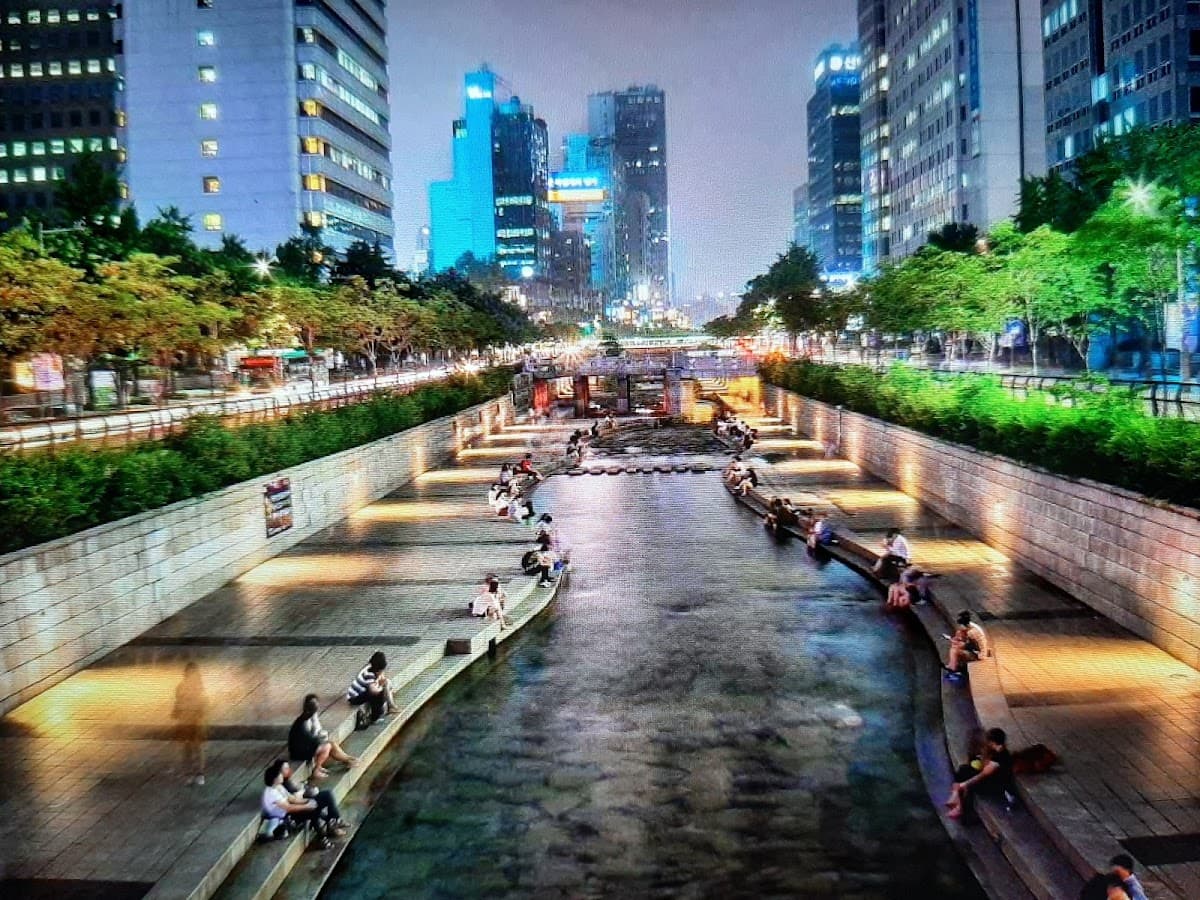
- Seoul Lantern Festival (November): The Cheonggyecheon stream lights up with incredible displays
- Lotus Lantern Festival (April/May): Celebrates Buddha's birthday with parades and temple illuminations
- Seoul International Fireworks Festival (October): Free spectacular show along the Han River
- Cherry Blossom Season (April): Head to Yeouido Park or Namsan Park for peak Instagram moments
How to Get There and Around
Getting to Seoul
Incheon International Airport (ICN) handles most international flights and consistently ranks among the world's best airports. It's about 60km from central Seoul, but the Airport Railroad Express (AREX) gets you to Seoul Station in 43 minutes for around $4.
Gimpo Airport (GMP) is closer to the city but mainly serves domestic and some Asian routes.
Getting Around Seoul
Seoul's subway system is a marvel – clean, efficient, and extensive. Get a T-money card immediately (available at any station) and load it with credit. Single rides cost about $1.20, and the card works on buses too.
The subway announcements are in Korean and English, and most signs have English translations. Download the Subway Korea app – it works offline and shows you the fastest routes.
Pro tip: Avoid subway lines 2, 3, and 4 during rush hours (7-9 AM, 6-8 PM) unless you enjoy being compressed into human sardine cans.
Taxis are everywhere and relatively affordable. KakaoTaxi (Korea's Uber) is popular with locals, but regular taxis work fine. Most drivers don't speak English, so have your destination written in Korean or use Google Translate.
Where to Stay
Myeongdong
Tourist central, which means convenient but crowded. Walking distance to shopping, street food, and Namsan Tower. Hotels here tend to be pricier but offer English-speaking staff and easy airport bus connections.
Hongdae
The university district where Seoul's nightlife thrives. Perfect if you want to experience Korean drinking culture, live music venues, and street performances. Lots of guesthouses and boutique hotels catering to younger travelers.
Gangnam
Yes, that Gangnam. Upscale, modern, and home to high-end shopping and dining. Great subway connections and a more business-traveler vibe. Expect to pay more for accommodation but you'll be in the heart of modern Seoul.
Itaewon
International district with the largest expat community. English is widely spoken, and you'll find diverse dining options. Good middle-ground option that's less touristy than Myeongdong but more foreigner-friendly than other areas.
Insadong
Traditional area with tea houses, art galleries, and craft shops. Quieter at night but beautiful during the day. Choose this if you prefer cultural immersion over nightlife.
Jongno
Near major palaces and historical sites. Traditional feel with modern conveniences. Great for history buffs and those who want to be walking distance from Gyeongbokgung Palace.
What to Eat
Korean BBQ (Samgyeopsal, Galbi)
Forget tourist BBQ places – head to Mapo-gu district where locals go. Look for places packed with Koreans after 9 PM. You'll grill thin slices of pork belly or marinated beef ribs at your table, wrap them in lettuce with garlic and ssamjang sauce.
Kimchi Jjigae (Kimchi Stew)
Every neighborhood has a tiny restaurant serving this spicy, fermented cabbage stew. Try Gwangjang Market for authentic versions served by ajummas (Korean aunties) who've been perfecting their recipes for decades.
Bibimbap
Mixed rice bowl with vegetables, meat, and gochujang (chili paste). Jeonju Jungang Hoegwan in Jung-gu serves some of Seoul's best traditional versions.
Fried Chicken (Chikin)
Korean fried chicken is crispy, sticky, and often coated in sweet-spicy sauce. Hongdae area has countless chicken joints open late. Order with beer – Koreans call this combination "chimaek."
Hotteok (Sweet Pancakes)
Street food pancakes filled with brown sugar, nuts, and cinnamon. Find them at Myeongdong street stalls during cooler months.
Naengmyeon (Cold Noodles)
Buckwheat noodles in icy broth – perfect for hot summer days. Woo Lae Oak in Jung-gu has served this dish since 1946.
Where to Eat:
- Gwangjang Market: Korea's oldest market, famous for bindaetteok (mung bean pancakes) and mayak gimbap (mini rice rolls)
- Hongdae Street Food: Late-night corn dogs, tteokbokki (spicy rice cakes), and everything fried
- Noryangjin Fish Market: 24-hour seafood market where you can eat incredibly fresh sashimi
Top Experiences and Attractions
Gyeongbokgung Palace
Seoul's largest palace, built in 1395. Time your visit for the changing of the guard ceremony (10 AM, 2 PM, 3:30 PM). The traditional architecture provides stunning contrast against the modern city backdrop.
Bukchon Hanok Village
Traditional Korean houses (hanoks) that are still lived in today. Walk quietly through narrow alleys – these are people's homes, not just tourist attractions. Best photographed in early morning light.
Dongdaemun Design Plaza (DDP)
Zaha Hadid's spaceship-like building hosts fashion shows, exhibitions, and has a night market. The LED rose garden outside creates magical evening photos.
Han River Parks
Locals picnic, bike, and relax along the river. Rent bikes, grab convenience store snacks and beer (yes, drinking in public is legal), and join Seoul's favorite weekend activity.
Namsan Seoul Tower
Touristy but worth it for 360-degree city views. Go at sunset to see the transition from daylight to Seoul's neon-lit night landscape.
Hongdae Nightlife
Bar hop through narrow alleys, watch indie bands, and experience Seoul's drinking culture. Start around 9 PM – things don't get busy until after 11 PM.
Korean Spa (Jjimjilbang)
Dragon Hill Spa or Siloam Sauna offer the full experience – hot baths, saunas, sleeping areas, and restaurants. Open 24 hours and you can spend an entire day relaxing.
DMZ Day Trip
The Demilitarized Zone between North and South Korea. Book tours through official operators only. It's surreal standing at the world's most heavily fortified border.
Money-Saving Tips
Eat Like a Local
Street food and market stalls offer incredible meals for $3-5. Many restaurants near universities serve huge portions at student-friendly prices.
Free Palace Entry
Wearing hanbok (traditional Korean clothing) gets you free entry to palaces. Rental shops near Gyeongbokgung charge around $15 for 4 hours.
Convenience Store Meals
7-Eleven, CU, and GS25 stores have surprisingly good prepared foods, ramen you can cook in-store, and cheap beer. A filling meal costs under $5.
Free Walking Tours
Seoul City offers free guided tours in English covering major districts. Book online in advance.
Happy Hour Culture
Many bars offer significant discounts before 8 PM. "All-you-can-drink" deals are common and economical if you're staying out late.
Temple Stays
Overnight programs at Buddhist temples cost around $50 and include meals, meditation sessions, and unique cultural experiences.
Common Mistakes to Avoid
Don't Tip
Tipping isn't expected and can actually offend. Service charges are included in restaurant bills.
Shoes Off Indoors
Remove shoes when entering homes, some restaurants, and traditional accommodations. Look for shoe racks at entrances.
Subway Etiquette
Don't eat, talk loudly on phones, or refuse to give up priority seats to elderly passengers. Stand to the right on escalators.
Soju Drinking Rules
Never pour your own drink – always pour for others and let them pour for you. Use both hands when receiving drinks from elders.
Rush Hour Transportation
Avoid traveling during peak hours unless necessary. Subway cars get uncomfortably packed.
Cash Dependency
Many small restaurants and markets only accept cash. Always carry Korean won.
Booking Korean BBQ
Popular BBQ restaurants don't take reservations. Go early (around 6 PM) or be prepared to wait.
Suggested 3-Day Itinerary Overview
Day 1: Traditional Seoul
- Morning: Gyeongbokgung Palace and changing of guard ceremony
- Afternoon: Bukchon Hanok Village and Insadong shopping/tea houses
- Evening: Traditional Korean dinner in Jongno, Namsan Tower for night views
Day 2: Modern Seoul
- Morning: Dongdaemun Design Plaza and nearby fashion markets
- Afternoon: Gangnam district shopping and Banpo Rainbow Bridge
- Evening: Korean BBQ in Hongdae, experience the nightlife scene
Day 3: Local Experiences
- Morning: Gwangjang Market for breakfast and shopping
- Afternoon: Han River park activities (biking, picnicking)
- Evening: Korean spa (jjimjilbang) experience
This itinerary covers Seoul's main highlights while leaving room for spontaneous discoveries. The city rewards wanderers who venture down random alleys – some of Seoul's best experiences happen when you're not following a guidebook.
Seoul isn't just a destination; it's an immersion into a culture that's simultaneously ancient and futuristic. Come hungry, stay curious, and prepare for a city that will challenge every assumption you have about Asia.